HMRC admits £43.5m overcharge on millions of UK pensioners
When HM Revenue and Customs (HMRC) admitted to a widespread calculation error last year, it didn’t just affect a few unlucky souls—it hit up to 8.7 million retirees across the United Kingdom. The tax authority conceded that its systems had overcharged pensioners by an estimated £43.5 million in income tax alone during the previous fiscal year. While the average overpayment per person sits at a modest £5, the sheer scale of the mistake has sparked outrage and raised serious questions about how government agencies handle basic arithmetic.
The issue isn’t new, nor is it isolated. It stems from a glitch in how HMRC processes annual state pension increases under the “triple lock” system. But here’s the twist: this isn’t just one bad day at the office. It’s part of a broader pattern where pensioners have been systematically overtaxed due to rigid software rules and outdated data assumptions.
The Math Behind the Mistake
So, what went wrong? According to official regulations, when the state pension rises at the start of a new tax year, taxable income should be calculated using 51 weeks at the new rate and 1 week at the old rate. This reflects the reality that payments don’t instantly switch overnight—they phase in.
But HMRC wasn’t doing that. Instead, it relied on data from the Department for Work and Pensions (DWP) that assumed pensioners received 52 full weeks at the higher, uprated amount. That small discrepancy—just one week’s worth of extra income on paper—snowballed into massive overcharges when applied to millions of accounts.
In the affected tax year, the full new state pension jumped from £221.20 to £230.25 per week. For most people, that’s a welcome boost. But because HMRC treated the entire year as if everyone was earning the higher rate from day one, their taxable income looked bigger than it actually was. Result? Higher tax bills. Unfairly so.
An unnamed HMRC spokesperson issued an apology, saying: “We regret the inconvenience caused by this calculation error and are actively working to rectify the situation.” They added that the impact was “small,” citing the £5 average. But for someone living on a tight budget, even five quid matters. And multiplied by 8.7 million people? That’s not small—that’s systemic.
A Pattern of Overcharging
This isn’t the first time HMRC has stumbled with pension taxes. In fact, it feels like deja vu all over again. Back in 2015, the government introduced “pension freedoms,” allowing retirees to withdraw money from private pensions more flexibly. Sounds great, right? Except HMRC’s system wasn’t built for flexibility—it was built for predictability.
Here’s how it backfired: When someone took a lump sum withdrawal—say, £10,000—from their defined contribution pension, HMRC didn’t treat it as a one-off event. No, the system assumed that £10,000 would come every single month for a year. So instead of taxing £10,000, it taxed £120,000. Talk about a shock to the system.
That “emergency tax” rule left many retirees facing unexpected bills running into thousands of pounds. Critics called it indefensible. And they weren’t wrong. Since 2015, HMRC has been forced to refund more than £1.2 billion to hundreds of thousands of pensioners who fell victim to these quirks.
Last year alone, the agency overcharged pensioners by a record £200 million through this same mechanism. In the 2023–24 tax year, it handed back over £198 million in refunds—including £42 million in just the final three months. During that quarter, HMRC processed 13,261 reclaim forms, with each claim averaging £3,167. That’s not rounding error territory. That’s real money taken from people who can least afford to lose it.
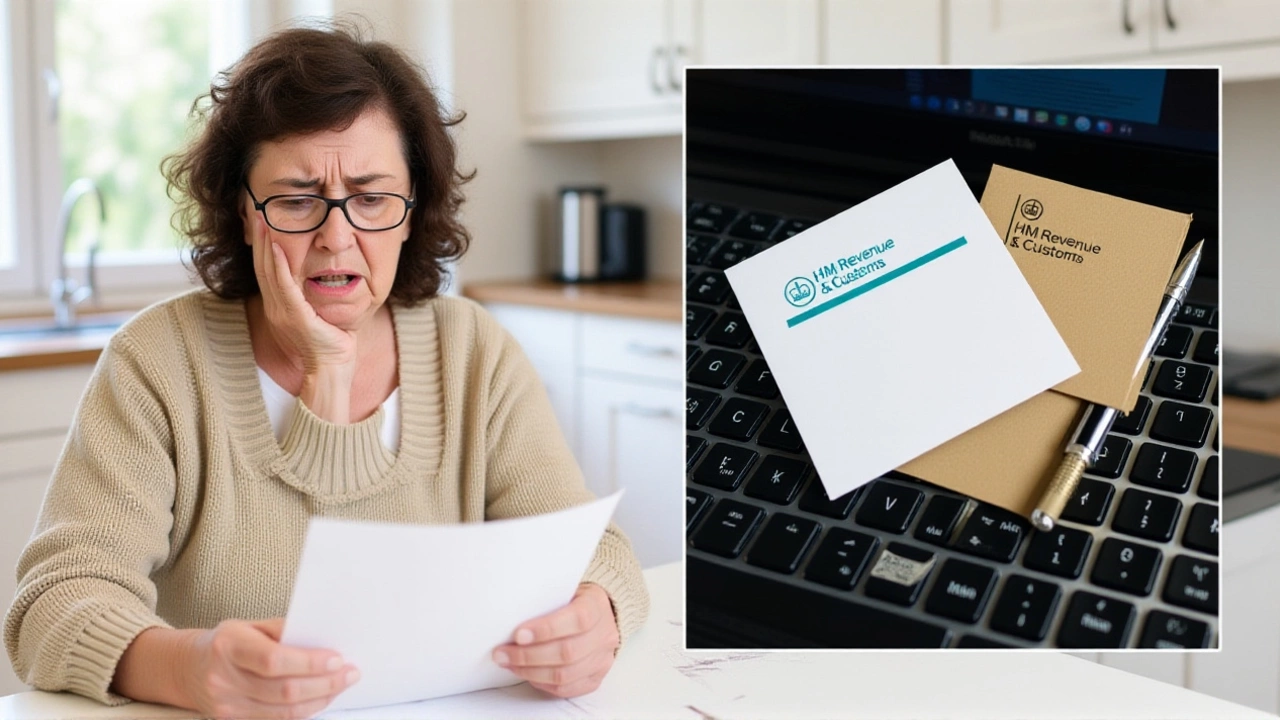
Who’s Responsible?
You might wonder why no one gets fired for this. Well, blame doesn’t land neatly on any single desk. HMRC uses DWP data—but DWP provides raw figures without adjusting for timing nuances. HMRC applies those numbers blindly, assuming they’re ready-to-use. Meanwhile, politicians stay silent unless there’s a scandal big enough to make headlines.
It’s a classic case of institutional inertia. Everyone assumes someone else is checking the math. Nobody checks. Until now.
Even worse, earlier reports revealed another software blunder affecting 13 million state pensioners, resulting in £1.3 billion in over-taxation. At the time, HMRC promised “some good news”—which turned out to be retroactive corrections after the damage was done. Familiar story?
What Comes Next?
For now, HMRC says it’s fixing the problem “by this summer.” No exact date. No accountability measures. Just a vague timeline and a promise to do better. Whether that means updating algorithms, retraining staff, or simply adding manual review steps remains unclear.
Meanwhile, affected pensioners face yet another hurdle: claiming their refunds. Unlike automatic adjustments, getting your money back often requires filling out paperwork, waiting weeks—or months—for processing, and hoping your claim isn’t lost in bureaucratic limbo. Not exactly user-friendly design.
Experts suggest this could become a recurring issue unless fundamental changes occur. As one analyst noted, “If you build a system around assumptions rather than realities, errors aren’t accidents—they’re inevitabilities.”
Historical Context & Broader Implications
To understand why this keeps happening, we need to look back further. The triple lock guarantee—which ensures the state pension rises by the highest of inflation, wage growth, or 2.5%—was designed to protect retirees. But it also created complexity. Every year brings a new adjustment. Every adjustment introduces potential for miscalculation.
Add to that the shift toward flexible retirement options post-2015, and you’ve got a perfect storm. People want control over their finances. Governments want simplicity in administration. Technology wants automation. None of these goals align perfectly—and somewhere along the line, human needs get squeezed out.
Compare this to other countries’ approaches. Canada, for example, automatically adjusts clawback thresholds based on actual earnings patterns. Australia links superannuation withdrawals directly to individual circumstances via digital platforms. Both systems prioritize accuracy over efficiency. Maybe there’s something to learn there.
Frequently Asked Questions
How does this affect ordinary pensioners?
Most affected individuals paid roughly £5 too much in income tax due to inflated taxable income calculations. While seemingly minor, this adds up significantly across millions of households. Some may qualify for automatic refunds; others must file claims manually—a process that can take several weeks or longer depending on volume and backlog.
Why did HMRC use incorrect data?
HMRC relied on Department for Work and Pensions (DWP) datasets that projected full-year payments at the updated rate. Regulatory guidance specifies partial-year weighting (51 weeks new + 1 week old), but HMRC failed to apply this correction, treating all inputs as uniform annual amounts regardless of payment timing.
Is this related to emergency tax on pension withdrawals?
Yes, though technically separate issues. Emergency tax arises when HMRC assumes monthly recurrence of lump-sum withdrawals, inflating annualized income. Both problems stem from inflexible modeling within HMRC’s infrastructure—one tied to state pension indexing, the other to private pension access mechanisms.
When will refunds begin arriving?
HMRC aims to resolve coding discrepancies by summer 2025, though specific dates haven’t been announced. Automatic repayments may roll out gradually, while manual claims continue processing alongside existing workloads. Affected parties should monitor correspondence closely and retain documentation supporting prior filings.
Have similar mistakes happened before?
Absolutely. A prior software flaw impacted 13 million state pensioners, leading to £1.3 billion in excess taxation before corrective actions were implemented. Additionally, since 2015, over £1.2 billion has been refunded due to emergency tax misapplications linked to pension freedom reforms—indicating persistent structural vulnerabilities.
What can pensioners do right now?
Review recent tax codes carefully. If unsure whether you’ve been overcharged, contact HMRC directly or consult a qualified accountant. Keep records of all correspondence and transactions. Consider joining advocacy groups pushing for transparent reform and improved customer service standards going forward.